

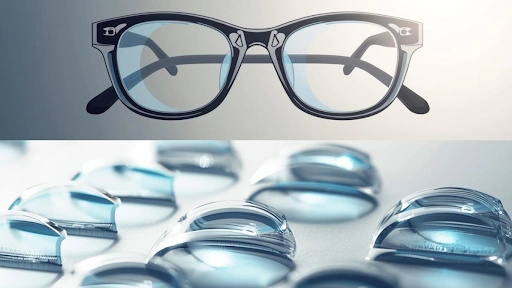
Choosing between eyeglasses and contact lenses is one of the most common questions patients ask during eye exams. While both options correct vision effectively, the right choice depends on your lifestyle, comfort preferences, and specific vision needs. At IndividualEyes, serving Bolton and Richmond Hill, we help patients navigate this decision every day. Here’s what eye care professionals want you to know about making the choice that’s right for you.
Understanding Your Vision Correction Options
Before diving into the comparison, it’s important to understand that both eyeglasses and contact lenses serve the same fundamental purpose: correcting refractive errors like nearsightedness, farsightedness, and astigmatism. The difference lies in how they deliver that correction and how they fit into your daily life.
When you visit an optometrist near you for a comprehensive eye exam, they’ll assess not just your prescription strength but also factors like corneal shape, tear film quality, and lifestyle needs. This complete picture helps determine which option might work best for you.
The Case for Eyeglasses
Eyeglasses remain the most popular vision correction choice for good reason. They’re incredibly low maintenance, requiring only occasional cleaning and no special storage solutions. For many people, glasses become a fashion statement and part of their personal style, with frames available in countless shapes, colors, and materials.
From a practical standpoint, glasses offer some distinct advantages. They provide a physical barrier that can protect your eyes from dust, debris, and wind. If you work in environments with potential eye hazards or spend significant time outdoors, this protection factor shouldn’t be overlooked. Glasses are also ideal for people with dry eyes or allergies, as they don’t sit directly on the eye surface and won’t exacerbate discomfort.
Modern lens technology has eliminated many traditional drawbacks. Anti-reflective coatings reduce glare from screens and headlights, blue light filtering helps with digital eye strain, and progressive lenses provide seamless vision correction at all distances without visible lines. When you get eye exams at an eye optical near you, ask about these lens enhancements that can dramatically improve your visual experience.
Financially, glasses often represent a better long-term investment. While quality frames and lenses require an upfront cost, they typically last one to three years with proper care. Compare this to contact lenses, which require ongoing purchases of fresh lenses and cleaning solutions.
The Appeal of Contact Lenses
Contact lenses offer a level of freedom that glasses simply can’t match. They move with your eye, providing a wider field of vision without frames obstructing your peripheral view. For athletes, performers, or anyone with an active lifestyle, contacts eliminate concerns about glasses slipping, breaking, or getting in the way during physical activity.
Many people appreciate the aesthetic flexibility contacts provide. You can change your look completely without altering your eyewear, wear non-prescription sunglasses, or even experiment with colored contacts to temporarily change your eye color. For special occasions like weddings or professional photo shoots, contacts offer an unobstructed view of your face.
Contacts also excel in specific weather conditions where glasses struggle. They won’t fog up when you walk from cold outdoor air into a warm building, and they won’t collect raindrops during a downpour. If you’ve ever tried drinking hot coffee while wearing glasses, you’ll appreciate this benefit.
The technology behind contact lenses has advanced significantly. Daily disposable lenses offer ultimate convenience and hygiene, eliminating cleaning routines entirely. Extended wear lenses approved for overnight use provide flexibility for people with demanding schedules. Specialized designs can correct astigmatism, presbyopia, and even certain irregular corneal conditions that were once difficult to manage with contacts.
Lifestyle Considerations That Matter
Your daily routine plays a crucial role in determining the best option. Consider your typical day: Do you spend eight hours staring at computer screens? Glasses with blue light filtering might reduce eye strain better than contacts. Do you wake up early for morning runs or hit the gym after work? Contacts won’t bounce around or need constant adjustment during exercise.
Think about your hobbies and activities too. Swimmers and water sports enthusiasts need to be cautious with contact lenses due to infection risks from water exposure. Conversely, rock climbers, cyclists, and tennis players often find contacts more practical than securing glasses during intense activity.
Your work environment matters as well. If you’re in a dusty construction site or work with chemicals, protective eyewear worn over contacts might be necessary. Office workers who experience digital eye strain might benefit from computer glasses specifically designed for screen time.
The Health Factor
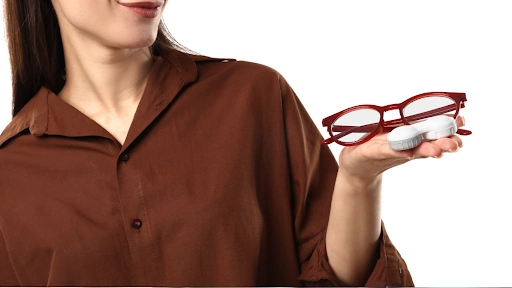
Eye health considerations can significantly influence your choice. Some people simply cannot wear contact lenses comfortably due to chronic dry eye, severe allergies, or irregular corneal shapes. Others find that even with modern breathable materials, their eyes feel tired or irritated after a full day of contact lens wear.
Regular eye exams are essential regardless of which option you choose, but contact lens wearers require additional monitoring. Your optometrist near you needs to check how lenses fit on your eyes and ensure they’re not causing any corneal changes or complications. This typically means annual or bi-annual contact lens examinations in addition to regular vision checks.
Proper hygiene is non-negotiable with contact lenses. While daily disposables simplify care routines, reusable lenses require consistent cleaning and storage practices. Falling asleep in contacts not approved for overnight wear, swimming while wearing lenses, or skipping replacement schedules can lead to serious eye infections.
Can You Have Both?
Here’s what many eye care professionals recommend: you don’t have to choose just one option permanently. Many patients maintain both glasses and contacts, switching between them based on circumstances. You might wear contacts for social events and sports, but reach for glasses during long work-from-home days or when your eyes need a break.
This hybrid approach offers maximum flexibility. Keep a current pair of glasses, even if you primarily wear contacts. They’re essential for those days when your eyes are irritated, you have an eye infection, or you simply want to give your eyes a rest. Similarly, having contacts available provides options for activities where glasses are impractical.
Making Your Decision
The best way to determine which option suits you is to schedule comprehensive eye exams at an eye optical near you. At IndividualEyes in Bolton and Richmond Hill, our optometrists take time to understand your vision needs, lifestyle, and preferences before making recommendations.
During your appointment, be honest about your daily routine, concerns, and what matters most to you. Are you worried about the time commitment of contact lens care? Mention it. Concerned about how glasses might look? Bring it up. Your eye care team can address these concerns and might suggest solutions you hadn’t considered.
Don’t hesitate to try both options if you’re uncertain. Many practices offer trial contact lenses so you can experience how they feel and perform in your real life before committing. Similarly, trying on different frame styles helps you visualize how glasses complement your appearance.
Whether you choose the timeless practicality of eyeglasses, the freedom of contact lenses, or a combination of both, the most important factor is maintaining your eye health through regular checkups and following your eye care professional’s guidance. Visit IndividualEyes in Bolton or Richmond Hill to explore your options and find the vision correction solution that helps you see your best life clearly.
Frequently Asked Questions
Can I wear contact lenses if I have astigmatism?
Yes, toric contact lenses are specifically designed to correct astigmatism. Modern toric lenses are available in daily disposable, monthly, and extended wear options, offering the same convenience as regular contacts while providing clear, stable vision for astigmatic prescriptions.
How often should I replace my glasses?
You should replace your glasses when your prescription changes, typically every one to two years for adults. However, if your frames become damaged, uncomfortable, or outdated, or if your lenses are scratched, you may need replacement sooner, regardless of prescription changes.
Are daily disposable contact lenses worth the extra cost?
Daily disposables eliminate cleaning routines, reduce infection risk, and provide fresh lenses every day. For many people, especially those with allergies or busy lifestyles, the convenience and health benefits justify the higher cost compared to monthly lenses.