
Walking into an optometry office for the first time can feel a bit mysterious. You know you’ll be sitting in that iconic chair and looking at letters on a chart, but what else happens during a comprehensive eye exam? Whether you’re due for your annual checkup or experiencing vision changes, understanding what to expect can help you feel more prepared and ensure you get the most out of your appointment.
Why Regular Eye Exams Matter More Than You Think
Before we dive into the step-by-step process, it’s worth understanding why eye exams are about much more than just updating your prescription. Your eyes are windows to your overall health. During a thorough examination, your optometrist can detect early signs of serious conditions like diabetes, high blood pressure, glaucoma, and even certain cancers. Many eye diseases develop without obvious symptoms in their early stages, making regular eye exams essential for protecting your vision and catching health issues before they become serious problems.
Step 1: Patient History and Pre-Testing
Your eye exam begins before you even meet your optometrist. When you arrive, you’ll be asked to complete paperwork about your medical history, current medications, and any vision concerns you’re experiencing. This information helps your eye care provider understand your unique needs and risk factors.
Be prepared to discuss any family history of eye conditions, whether you wear contact lenses or glasses, how much time you spend on digital devices, and any symptoms like headaches, eye strain, or blurry vision. The more detailed you are, the better your optometrist can tailor your exam.
Most offices use pre-testing equipment operated by a technician. This might include an autorefractor that provides a starting point for your prescription, a digital eye pressure test, or preliminary scans of your eye health. These quick, non-invasive tests give your optometrist valuable baseline data.
Step 2: Visual Acuity Testing
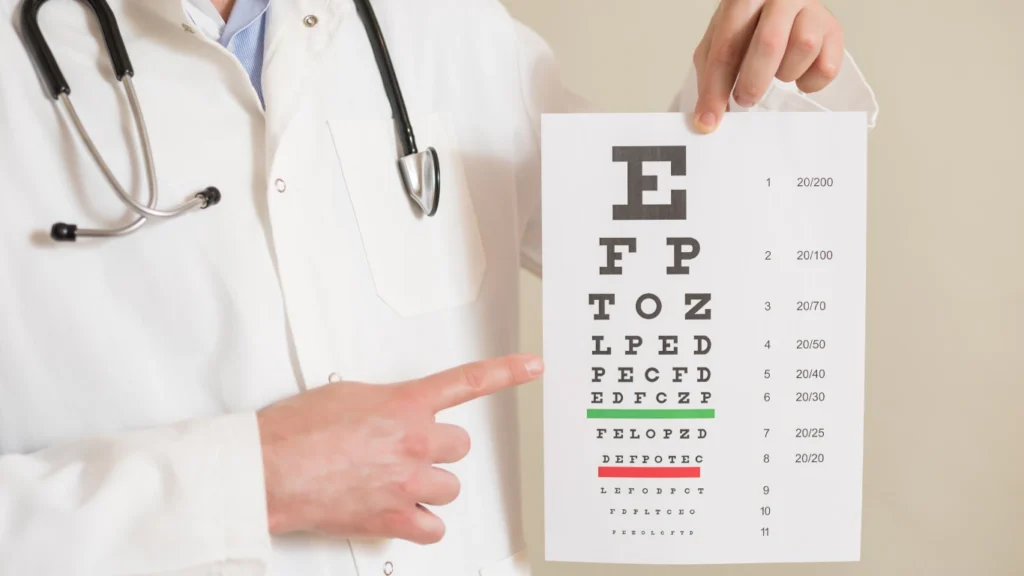
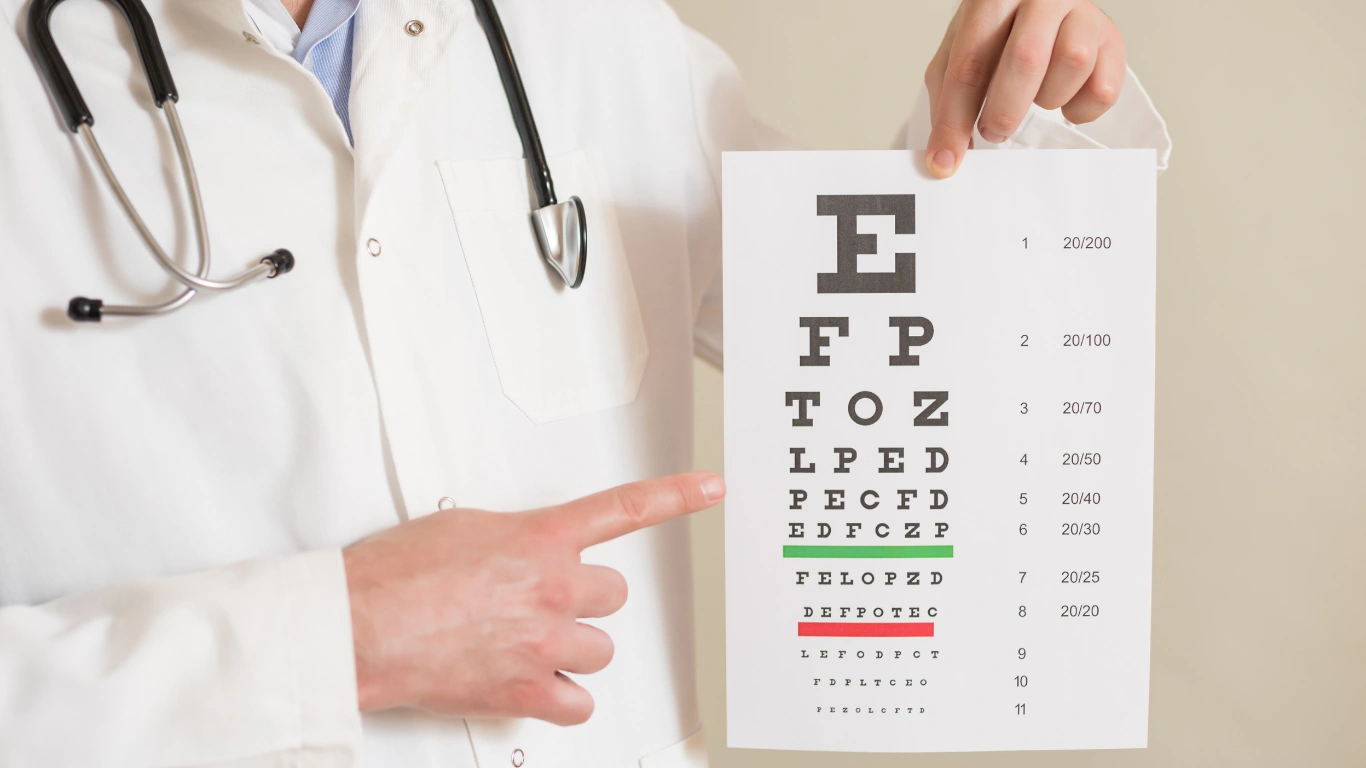
This is the part everyone knows: reading letters on a chart. You’ll cover one eye at a time and read progressively smaller lines of letters or numbers. This simple test measures how clearly you can see at various distances and helps establish whether you need corrective lenses.
Your optometrist will test both your distance vision and near vision. If you currently wear glasses or contacts, you’ll be tested both with and without them to see how well your current prescription is working.
Step 3: Refraction Assessment
Now comes the “which is better, one or two?” portion of your exam. Your optometrist will place a device called a phoropter in front of your eyes and flip through different lens combinations while you look at the eye chart. This process, called refraction, determines your exact prescription for glasses or contact lenses.
You’ll be asked to compare different lens options repeatedly. Don’t worry if some choices seem nearly identical; that’s normal! Your honest feedback helps fine-tune your prescription. There are no wrong answers here; your optometrist is simply gathering information about how your eyes respond to different corrections.
Step 4: Eye Movement and Alignment Tests
Your optometrist will check how well your eyes work together as a team. You might be asked to follow a moving object with your eyes or focus on a target while one eye is covered. These tests evaluate your eye muscle function, coordination, and alignment.Problems with eye teaming can cause double vision, eye strain, and difficulty with tasks like reading or driving. These issues are particularly important to identify in children, as they can affect learning and development.
Step 5: Eye Pressure Measurement
Elevated eye pressure is a major risk factor for glaucoma, a leading cause of blindness. Your optometrist will measure your intraocular pressure using either a quick puff of air (non-contact tonometry) or a gentle probe that touches your eye after numbing drops are applied.
The air puff test might startle you, but it’s completely harmless. If the probe method is used, you won’t feel anything thanks to the numbing drops, just try to keep your eyes open and relaxed.
Step 6: Examination of Eye Health
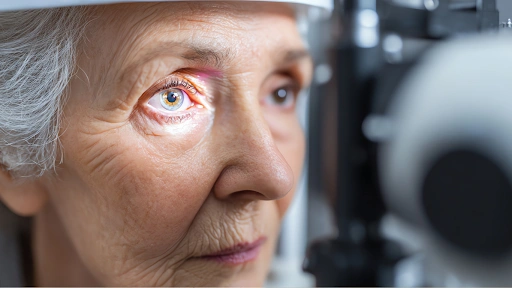
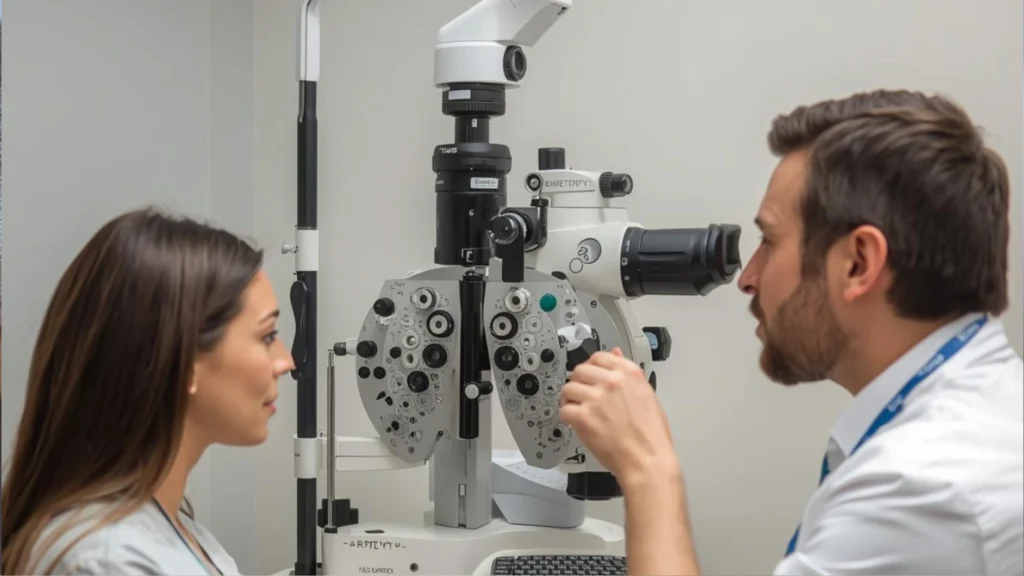
Using a specialized microscope called a slit lamp, your optometrist will examine the front structures of your eyes, including your cornea, iris, and lens. This bright light examination allows for detailed inspection of eye health and can reveal conditions like cataracts, corneal scratches, or signs of dry eye disease.
Your optometrist may also dilate your pupils using eye drops to get a better view of the internal structures, including your retina and optic nerve. Dilation is crucial for detecting problems like retinal tears, macular degeneration, and diabetic retinopathy. While the drops cause temporary light sensitivity and blurry near vision for a few hours, they provide invaluable information about your eye health.
Step 7: Additional Testing When Needed
Depending on your age, symptoms, and risk factors, your optometrist might recommend additional tests. These could include visual field testing to check your peripheral vision, retinal photography to document the back of your eye, or optical coherence tomography (OCT) scans that create detailed images of your retinal layers.
These advanced diagnostic tools help detect and monitor eye diseases with remarkable precision, often identifying problems before you notice any symptoms.
Step 8: Discussion and Recommendations
After completing all the tests, your optometrist will discuss the findings with you. This is your opportunity to ask questions about your vision, eye health, and any recommended treatments or lifestyle changes. You’ll receive guidance on everything from the best type of corrective lenses for your needs to tips for reducing digital eye strain.
If you need glasses or contacts, you’ll discuss options that fit your lifestyle and budget. Your optometrist might also recommend strategies for protecting your eyes, such as blue light filtering lenses for computer work or UV-protective sunglasses for outdoor activities.
Making the Most of Your Eye Exam
To get the best results from your eye exam, bring your current glasses and contact lenses to the appointment. Make a list of any questions or concerns beforehand, and don’t hesitate to speak up during the exam. If you’ll be having your eyes dilated, consider bringing sunglasses and arranging a ride home if you’re sensitive to light.
Most adults should have comprehensive eye exams every one to two years, though your optometrist may recommend more frequent visits if you have certain risk factors or existing eye conditions.
Your Vision Health Starts Here
Regular eye exams are one of the most important steps you can take to protect your vision and overall health. Now that you know what to expect, scheduling that appointment should feel much less intimidating. The entire process typically takes 30 to 60 minutes, and the peace of mind, knowing your eyes are healthy and your vision is optimized, is well worth it.
When you’re searching for an eye exam near you, you want a practice that combines advanced technology with personalized care. IndividualEyes offers comprehensive eye exams with experienced optometrists who take the time to understand your unique vision needs. With convenient locations in Richmond Hill and Bolton, quality eye care is closer than you think. Schedule your eye exam today and experience the difference that individualized attention makes.
Frequently Asked Questions
- How often should I get an eye exam?
Most adults should have a comprehensive eye exam every one to two years. However, if you have diabetes, a family history of eye disease, wear contact lenses, or are over 60, annual exams are typically recommended. - Does an eye exam hurt?
No, eye exams are completely painless. You might experience brief discomfort from the bright lights or a momentary startle from the air puff test, but nothing hurts. Even when your eyes are dilated or numbed, the drops simply cause temporary changes in vision without pain. - How long does a typical eye exam take?
A comprehensive eye exam usually takes between 30 and 60 minutes, depending on the tests needed and whether your pupils are dilated. If dilation is necessary, plan for an extra 15-20 minutes for the drops to take effect.