
Yes, you can wear your contact lenses to your appointment, and in many cases your optometrist will actually want to see them on your eyes. You will just be asked to take them out for certain parts of the exam. Knowing when and why ahead of time makes your visit smoother, faster, and a lot less awkward.
Here is everything contact lens wearers should know before their next eye exam.
Why Wearing Your Contacts In Can Actually Help
If you are coming in for a contact lens exam and fitting, arriving with your lenses in gives your optometrist useful information. They can check:
- How your lenses sit and move on your eyes
- How clearly you see with your current prescription
- Whether your lenses are causing redness, dryness, or irritation
- Signs of protein buildup or wear on the lenses themselves
A lens that felt fine in the morning can look very different after a few hours of wear. Seeing your contacts in action helps your optometrist decide whether your current brand, material, or wearing schedule is still the right fit.
When You Will Be Asked to Take Them Out
Even if you arrive wearing contacts, there are several steps in comprehensive eye exams where lenses need to come out.
Checking your glasses prescription. Your glasses prescription and your contact lens prescription are not the same thing. To measure what your eyes need on their own, your optometrist tests your vision without lenses.
Examining the front of your eye. Your cornea sits directly under your contact lens. To look for scratches, swelling, or early signs of infection, your optometrist needs a clear view of the eye surface. A special dye is often used here, and it can stain soft lenses, so they come out first.
Measuring eye pressure. Eye pressure testing helps screen for glaucoma. Some methods use numbing drops and gentle contact with the eye, which requires your lenses to be removed.
Dilation. If your optometrist dilates your pupils to examine the back of your eye, your lenses will come out beforehand. Your optometrist will tell you when it is safe to put them back in.
What to Bring to Your Eye Exam
A little preparation saves time and helps your optometrist give you the most accurate results.
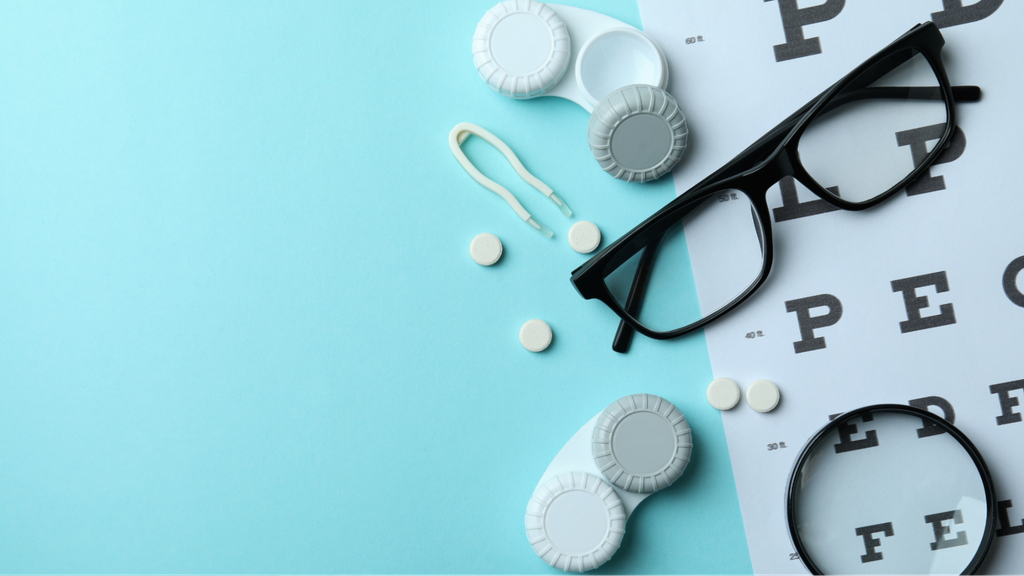
- Your contact lens case and solution so you have somewhere clean to store your lenses when they come out
- Your glasses, even if you rarely wear them, since your vision may be blurry after dilation
- Your current lens box or prescription details, including brand, power, and wearing schedule
- Sunglasses if there is a chance you will be dilated
- A list of any symptoms, such as dryness, blurry vision at the end of the day, or discomfort with screens
- Your insurance details, which you can review on our insurance and payment information page before your visit
Should You Skip Your Contacts on Exam Day?
For most people, no. Wear your lenses as you normally would unless your clinic tells you otherwise. There are a few exceptions where it makes sense to call ahead:
- You wear rigid or specialty lenses. These can temporarily change the shape of your cornea, and your optometrist may give you specific instructions before certain measurements.
- Your eyes are red, painful, or sensitive to light. Take your lenses out and contact us right away. These symptoms can point to an infection that needs prompt attention through our urgent eye care services.
- You are being assessed for laser vision correction. A laser eye surgery consultation often requires you to stop wearing contacts for a period beforehand so your cornea can return to its natural shape.
Is a Contact Lens Exam Different From a Regular Eye Exam?
Yes. A routine eye exam checks your vision and overall eye health. A contact lens exam goes further, measuring the curve and size of your eye, assessing your tear film, and making sure your lenses fit safely and comfortably.
This matters because a poorly fitting lens can reduce oxygen to your cornea and lead to discomfort or complications over time. If your contacts have started to feel dry by mid-afternoon, your eyes may need a different lens material or support from dry eye therapy. Long hours on screens can make it worse too, which is why many lens wearers also experience digital eye strain.
How Often Should Contact Lens Wearers Get Eye Exams?
Most contact lens wearers should see their optometrist once a year. Contacts sit directly on the eye, so regular checkups help catch small problems before they turn into bigger ones. Annual visits also keep your prescription current, which you need to reorder your contact lenses.
Your optometrist may recommend more frequent visits if you have diabetes, a family history of eye disease, or a child who is new to lenses. Learn more about our children’s eye exams and diabetic eye exams.
Not sure whether a symptom can wait until your next appointment? Read our guide to the warning signs you should see an eye doctor immediately.
Book Your Eye Exam With an Optometrist Near You
Whether you have worn contacts for years or are thinking about trying them for the first time, the team at IndividualEyes will make sure your lenses fit well, feel comfortable, and keep your eyes healthy. Come in wearing your lenses, bring your case and glasses, and we will take care of the rest.
Richmond Hill: 9-372 Tower Hill Road | Call 905-787-8686 | Book in Richmond Hill
Bolton: 30 Martha Street, Unit 203 | Call 905-857-2773 | Book in Bolton
Frequently Asked Questions
Can I put my contacts back in after my pupils are dilated?
Usually, yes, but wait until your optometrist confirms it is safe. Your vision may stay blurry and light sensitive for a few hours, so bringing glasses and sunglasses is a good idea.
Is my glasses prescription the same as my contact lens prescription?
No. Contact lenses sit directly on your eye, while glasses sit a short distance away, so the measurements differ. A contact lens prescription also includes fit details like lens size and curve, which require a contact lens exam.
How often should I get an eye exam if I wear contacts?
Most contact lens wearers should have an eye exam once a year. Your optometrist may suggest more frequent visits based on your eye health, age, or any symptoms you are experiencing.
What should I do if my eyes hurt while wearing contacts?
Remove your lenses right away and switch to glasses. If pain, redness, or light sensitivity continues, contact your optometrist promptly, as these can be signs of an eye infection.